Knowing the difference between how to identify bees and wasps nests is not only beneficial, but it is also very important for the safety concerns of your surroundings. Despite the significant roles that the two insects play in the ecosystem, their nesting patterns, behavior and level of risk are very different. Not recognizing a nest may result in a disaster, where it is not just damaging your property value, but can cause great harm in the form of painful stings. This guide assists homeowners, property managers and business owners to identify bees and wasps nests for quick elimination.
Key Differences to Identify Bees and Wasps Nests
Material Used in Nest Construction
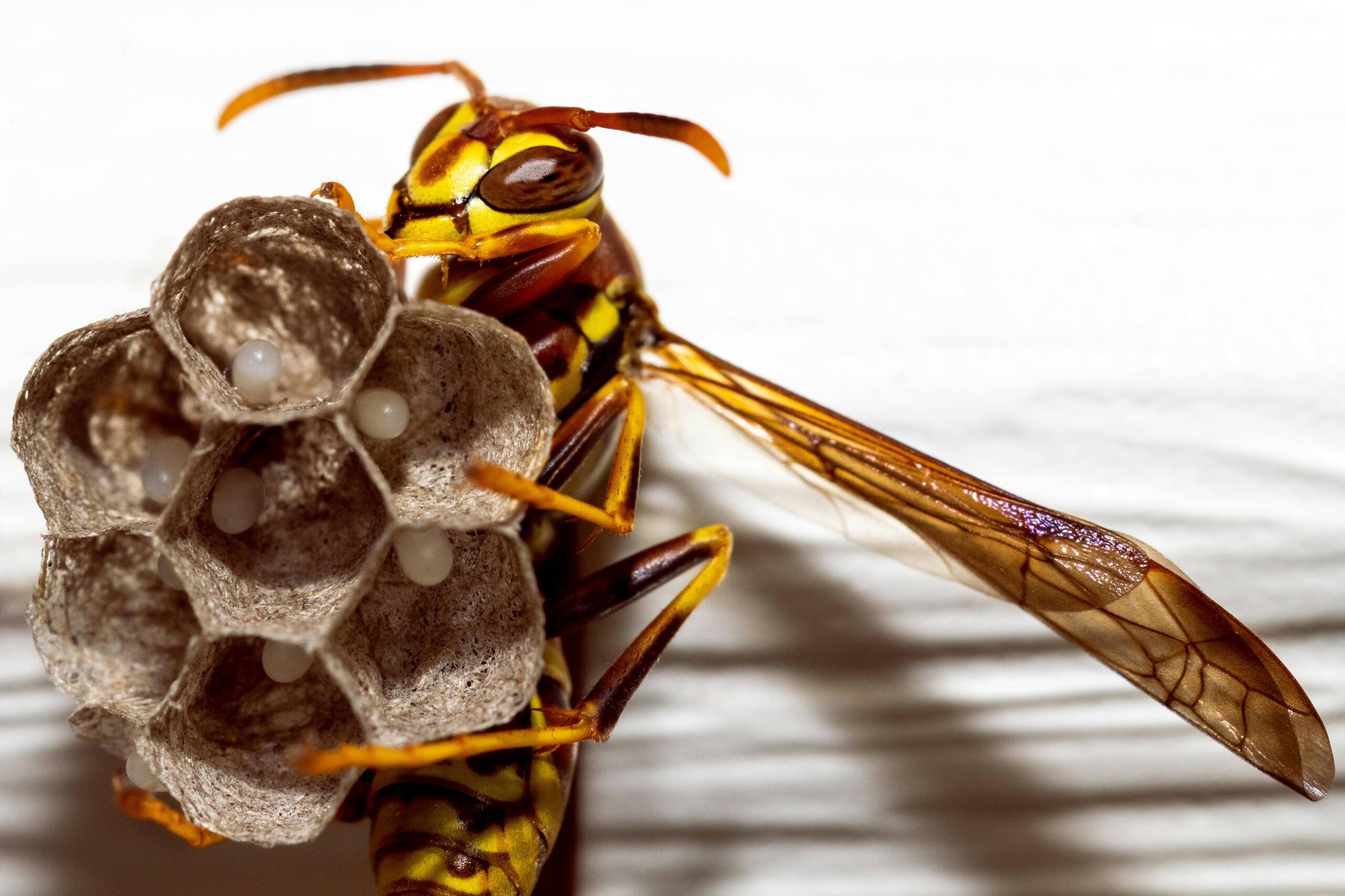
Bees generally prefer to create their nests out of the same type of wax, which they generate. You can identify the nests as soft, golden and frequently symmetrical honeycombs. Wasps, on the other hand, construct their nest with the help of chewed wood fibers and saliva, making it look papery and grey. This variation in materials provides each nest with a very distinct texture and look.
Shape and Structure of the Nest
Bees have a neat and hexagonal nest in honeycomb, which is frequently in cluster shape. The nests of wasps are, however, more disordered and stratified, like an umbrella or a paper ball. Their surface completely covers the interior, giving it a more open structure of the comb.
Nest Location Preferences
Bees like to nest in sheltered and secluded areas like tree holes, cavities of walls or artificial hives. Wasps are more malleable and can nest in the eaves, within attics, on branches or even underground. They have their nest more often visible and open than bee nests, which are usually in hiding spots. Noticing them in huge population requires you to take immediate measures of wasp removal London On.
Differences in Color and Texture
Bee nests can be a warm and golden or yellowish color due to the stored wax and honey. They look even and somewhat shiny. Wasp nests are rough, brown and greyish in color. This fibrous texture is dull and one of the main visual indicators of wasp nests.
Honey and Activity
Typically, bee nests have a filling of honey and pollen, and you may see bees going in and out with pollen straws on their legs. Wasp nests never hoard honey, and they are more active in catching insects. It is possible to distinguish bees and wasps by observing what insects they bring to the nest.
Size and Organization of Colonies
Bee colonies are much larger and in organizing state and include thousands of individuals who work together. This social structure is reflected in their nests. The wasp colony can be of any size, with a more disorganized and smaller colony being the norm. Their nests do not have to be as homogenous as they appear, and this style is indicative of a more aggressive and uncooperative life.
Behavioral Differences to Identify Bees and Wasps Nests
Bees
Bees are generally peaceful and not aggressive unless you threaten their nest. They have the capacity to gather nectar and pollen and are likely to stop people from getting closer to their nesting region. They have consistent and deliberate flight patterns. Bees are also popular to move in a predictable direction when they are close to a nest, which suggests a well-coordinated and cooperative behavior of a colony.
Wasps
Wasps are more violent and possessive, particularly around their nests. They are fast to respond to disturbances and might sting severely. Meanwhile, they fly unpredictably and at high speeds around intruders. Wasps are also scavengers and hunters, and therefore, their activity around the food sources and nesting places is more intense.
Seasonal Patterns Help to Identify Bees and Wasps Nests
Bees
You will notice maximum bee activity in warmer seasons, particularly spring and summer, when there is a large number of flowers. They try to maintain their nests year-round. During cold seasons, the activity of bees is scaled back, and they remain in the hive. The presence of a long-term nest site will make you notice these buzzing pests throughout the year, as compared to wasps.
Wasps
Their colonies are largest in late summer and early autumn, making their activity at its highest level in such seasons. Most wasps die during winter, and their nests are usually abandoned in winter, leaving only the queens alive. When a nest suddenly occurs and is not used after a season, it is more likely that it belongs to wasps.
Major Risks Associated with Bees and Wasps Nests
Bees
Bees have a painful and harmful stinging nature. It can be of great harm to people who are already allergic. Nonetheless, bees generally sting and then die; hence they are not so aggressive in general. Their primary danger comes when their nest is disturbed. The huge colonies around people can be dangerous, particularly in residential or busy places.
Wasps
Wasps are more dangerous as they are aggressive and can sting multiple times. When they feel that they are threatened around their nest, they are able to attack in groups. Their nests in dark or busy places expose them to more potential accidents. Wasp stings may be especially hazardous to an allergic person and should be deal out with emergency.
Prevention Tips to Avoid Disturbing Their Nests
In case you come across a nest, you should react safely and calmly. For the bees nests, you should not disturb the colony, as they are not usually aggressive, unless they feel threatened. Maintain a distance and seek the professional help of beekeepers to help them move the nest without killing the bees.
For the wasps, it is important never to get close or attempt to remove the wasp nest yourself. They are very aggressive and may sting you several times. Rather, they should be left to the care of contact experts of wasp control Sarnia who have been trained to cope with such situations.
Get Rid of Buzzing, Stinging, Flying Pests with us
Don’t let dangerous nests put your family or business at risk. At MVO Pest Control, we specialize in safe, effective identification and removal of bee and wasp nests. Our trained experts use industry-leading techniques to protect your property while respecting the environment. Whether it’s a small nest or a large infestation, we are here to help.