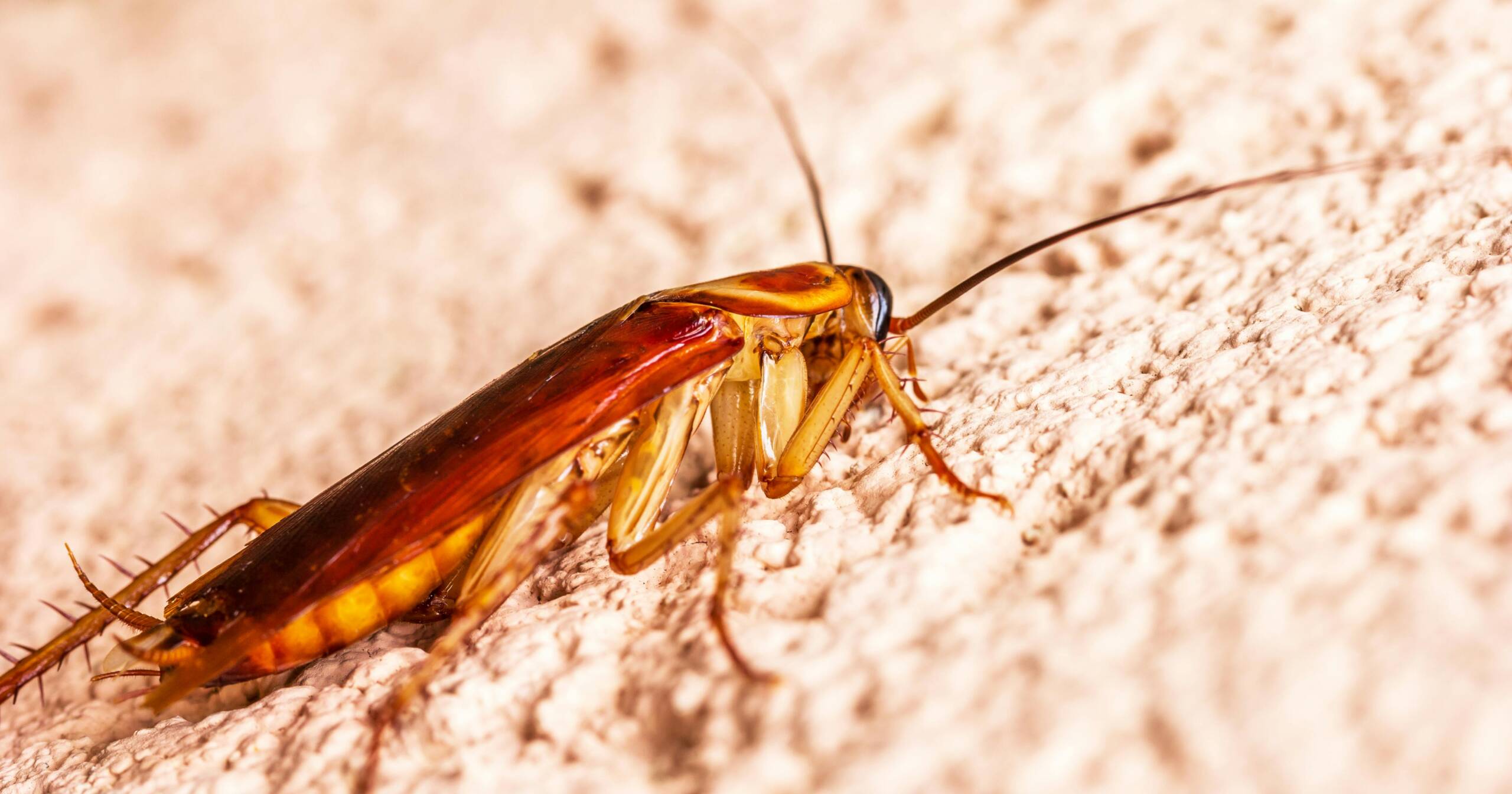
Among the most common indoor pests in homes or kitchen areas are German cockroaches. These species reproduce very quickly, leading them to grow their infestation in less time. But to understand the reproduction growth, it is important to learn the life cycle of the German cockroach nymph. These cockroaches can survive well in indoor environments, making their elimination and control of infestation a key step for a healthy lifestyle. Want to know more interesting facts about the life cycle of the German cockroach Nymph? Let’s dive into the discussion below.
Appearance of a German Cockroach Nymph
The Nymph is a young, small cockroach, typically about the size of a grain of rice. They are wingless and have a tan or light brown color. Due to their smaller size, it is very difficult to notice them in your surroundings. They have a soft, flattened body, and as they mature, they become a little darker in colour.
A major sign to identify their presence is the two dark parallel stripes that run along their back. As a result, they move with great speed and may even hide in dark places for the purpose of infestation. The nymphs are nocturnal and are easily observed in the bathroom, kitchen, and cracks during the daytime, where they are protected and can get food.
How German Cockroach Nymphs Hatch from Eggs?
German cockroaches generally produce egg cases (oothecae) in which there are many little eggs in each case. The female will protect the egg case until it is hatched. Later on, she puts it in a secure location, out of sight, and warm. The eggs grow within the case in a few weeks, and they start to hatch into small nymphs when they are full-grown. The nymphs come out of the egg as nearly adult size, but are without wings. They immediately start searching for food and water. Eggs hatch quickly in warm temperatures and high humidity levels, so there can be a high infestation rate in the house.
German Cockroach Nymph Growth Stages (Molting Process)
Nymphs will start to grow through the process of molting. They do not grow continuously as do humans, they shed their tough exterior several times. The periods of life between each molt are called instars. The number of molts a nymph has to go through before becoming an adult is usually 5 to 7.
Each molt adds to the body size and darkens the body color. Small wing pads begin to form at later ages, too. This process may take a couple of weeks, depending on how warm or cold the weather is and on the food available. They can increase their growth rate in warm and humid conditions. Hence, they remain concealed during this period and emerge primarily at night to feed.
Common Signs of German Cockroach Nymph Infestation
Small Cockroaches in Kitchen Areas
In kitchens, bathrooms, or in the food storage areas, you might see very tiny cockroaches crawling. These are actually nymphs. They are nocturnal and tend to hide when lit up. If they are observed during the daylight hours, then it’s likely that the infestation is extensive and of serious magnitude.
Droppings and Dark Spots
The German cockroach leave minute, black spots that are either the size of a pepper or coffee grounds. These are located in corners, drawers, and behind appliances. Dark smear marks (usually small) on walls or surfaces where they frequently go while looking for moisture and food may also be observed. When you start noticing them in huge population, the best solution is to hire services of cockroach control company London On.
Egg Cases and Shed Skins
Empty egg cases or small shed skins can be found in hard to see locations. The nymphs molt as they become larger. Often, such signs are located under sinks, behind refrigerators, or within cabinets. They are active there: breeding and spreading infestation in the house.
Bad Odor in Infested Areas
A strong musty odor may result in heavily infested areas. The body parts, cockroach droppings, and secretions cause this smell. The odor becomes stronger as the youngsters grow up. Usually come in enclosed areas such as kitchens, behind appliances, and in cupboards.
Interesting Facts about German Cockroach Nymphs to Know
German Cockroach Can Live Inside Electronics
People are often surprised to find German cockroach nymphs in refrigerators, routers, gaming consoles, and microwaves. These devices offer warmth, darkness, and predator protection.
A Nymph Can Survive Weeks with Almost No Food
German cockroach are very resilient. They can live for a long-time eating grease stains, cardboard glue, hair, and even very small food particles that are not visible around kitchens and furniture.
Seeing One Nymph Usually Means Many More Are Hidden
Unlike adult cockroaches that wander openly, nymphs stay deeply hidden. Spotting even one German cockroach often indicates a much larger hidden infestation already developing behind walls or appliances.
Nymphs Can Spread Allergens More Than You Expect
Even tiny German cockroach nymphs produce droppings and shed skins that contaminate indoor air. These particles can trigger allergies and asthma attacks, especially in children and sensitive individuals.
FAQs: Common Questions People Often Ask
- How do German cockroach nymphs look alike?
They are extremely small and can be as small as a few millimetres.
- What is the difference between the nymphs and mature cockroaches?
Yes, they don’t have wings and are darker and smaller in size.
- How many different phases do the nymphs pass through?
They go through 6–7 molts before they reach adulthood.
- Why nymphs are harder to kill than adults?
They live in cracks and do not come in contact with insecticides.
Say Goodbye to German Cockroach Infestation with Expert Help!
Take steps to not allow German cockroach nymphs to infest homes and businesses. No DIY remedies will work to eradicate the pests as they reproduce quickly and go into the smallest corners. Hire an MVO Pest Control professional to keep your family healthy and hygienic. Through the use of safe, advancedm and long-lasting treatment techniques, our professional technicians can eradicate cockroaches from the root. Trust us, and you will experience a peaceful and pest free environment, guaranteed results, and complete peace of mind.