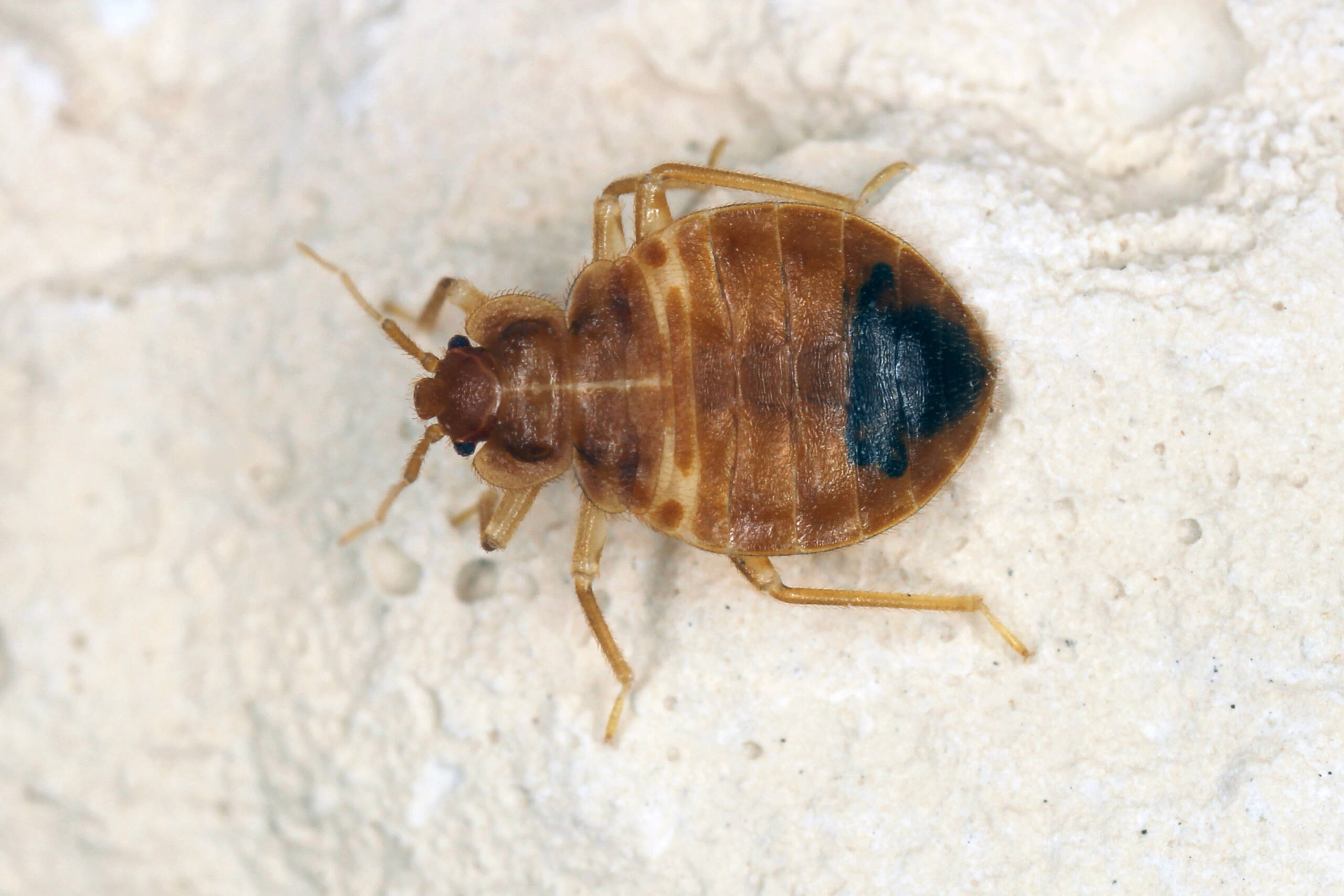
Noticing dead bed bugs in your house can be depressing and frightening, especially at night. For some homeowners, this is a major sign to get an idea if the infestation is about to end or not. But still, the common question is what do dead bed bugs mean? Identifying them in dead situation does not give a sign of elimination. In case dead ones are often appearing on the mattresses, floors, or windowsills, there can be an active infestation concealed in the area. This detailed guide defines what do dead bed bugs mean, why they keep reappearing and what you must do to make sure that they are all done away with.
What Do Dead Bed Bugs Mean?
The discovery of dead bugs in your house is generally a sign that some intervention measure is going on. They generally die during treatment process or lack of feed sources. Nevertheless, it does not necessarily mean that the issue is closed. Bed bugs are elusive, and they might be in cracks, furniture or bedding and still alive.
The return of bugs is possible after so many years, once the treatment is finish, due to the delay in hatching eggs. If you start noticing them in a huge population, this is the time when you should take proper measures of elimination. Keeping a closer check and regular inspections after the treatment ensures that the infestation is completely removed. For thorough inspections, hire professional services of MVO Pest Control. Contact us today to book an inspection.
Common Signs to Know When Bed Bugs are Dead
Dry and Flat Bodies
Dead bed bugs usually appear dry, flat and of a lighter color. Their bodies start depriving themselves of the entire shape that they have when they are alive. It might be thin and hollow as they are no longer filled with blood. Once you notice this change, then it means that the treatment or cleaning has taken effect and left some impact on them.
Cracked or Broken Shell
Once it is treated, the shells may be cracked, or the bodies may be broken. This occurs due to the destruction of their outer layer by chemicals or heat. The shell can either appear weak, dry, or cracked. Such signs show that the bug will no longer be able to live or develop.
Found in Open Areas
Dead bed bugs are common to be visible in open places such as floors, beds or around walls. Living ones prefer hiding. At the time of their death, they might fall out of hiding places. This enables them to be more visible when cleaning. This is a positive indication, though it needs continuous care and attention.
Why do Dead Bed Bugs Keep Appearing?
Dead bugs often continue to show since the infestation has not become dormant. Eggs can withstand numerous procedures and be hatch away at a later stage. They die once they are in touch with any harsh treatment when new bugs are released. This process may last several weeks. The other reason is that the buried bugs can be transferred and perish in open places.
Cleaning and vacuuming would also expose dead bugs that are in cracks and furniture. This does not necessarily mean that the treatment was futile. It is also necessary to stop the life cycle and prevent future difficulties in your home by using regular follow-up, monitoring, and deep cleaning.
Are Dead Bed Bugs Dangerous?
Dead bed bugs do not pose a serious threat as compared to living ones, though they should not be neglected. They do not bite or diffuse when dead. Nevertheless, they may still cause mild allergies in individuals with certain body types and waste. The dead bugs can cause dust that irritates the eyes or breathing, particularly to the sensitive ones.
Besides, the presence of dead bugs can indicate the existence of live bugs that are hiding somewhere in the vicinity. To be on the safe side, clean, vacuum and wash bedding in hot water. Always wear gloves whenever touching them. Maintaining your home clean and dry will save your family and keep off future problems with pests.
Smart Ways to Avoid Dead Bed Bugs Infestation
Regular Cleaning Routine
Keep your house clean, especially the items of beds, sofas, and carpets. Also, keep checking the hidden corners or the areas which require immediate vacuuming. This eliminates the chance of witnessing any insects or larvae. An effective cleaning schedule decreases the risk of any pest problems in the future and prevents any growth and spreading at an early stage.
Wash Bedding in Hot Water
Linen, towels, bedding, and pillows should be washed once a week in hot water. Bed bugs and their eggs are killed by heat. Better results are obtained with dry items at high temperatures. This easy practice will guard your sleeping space and keep your family off recurrent infestation and stress.
Check Second-Hand Items
Always examine used furniture, clothes or mattresses before taking them home. Bugs are fond of residing or building an infestation in such items. To ensure that pests do not get into your house, careful examination is important. To remain safe and stress-free, clean up or treat objects to be used.
Seal Cracks and Gaps
Close minor cracks in walls, floors and furniture. Bed bugs hide in these spaces. However, their closure helps decrease the number of hiding places and improve treatment. This also helps to keep bugs out of other rooms and helps to protect your home longer.
Book Professional Inspection
Request periodic inspections on pests even after treatment. Professionals can detect latent signs and prevent issues. Professional bed bug exterminators gives you a guarantee of full control and prevention of further outbreak. This is a smart and long-term method of having a clean, healthy and comfy home.
Eliminate Bed Bugs with Expert MVO Pest Control Today!
Don’t let recurring dead bugs fool you into thinking the problem comes to an end. At MVO Pest Control, our certified experts use advanced heat and targeted treatment solutions to eliminate bed bugs at every life stage. We don’t just treat symptoms; we eradicate infestations. Protect your home, family, and peace of mind with fast, discreet, and guaranteed service.