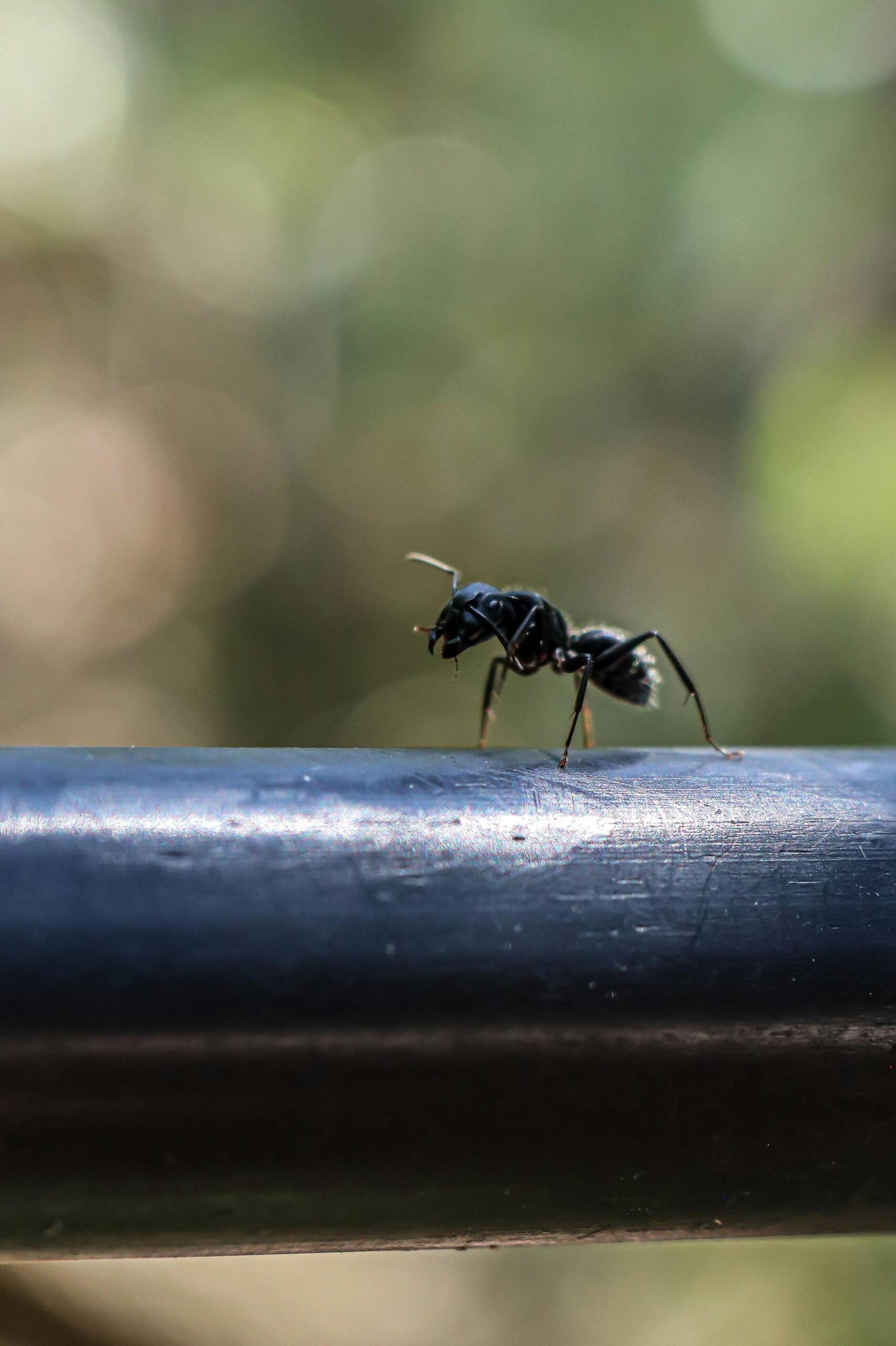
It is essential to know what attracts a carpenter ant to protect houses and companies against severe infestation. Generally, carpenter ants are capable to build their nests by destroying wood structures. Being aware of what attracts a carpenter ant will prevent the problems before they expand. It is primarily food that causes carpenter ants to invade a space. In the house, they seek sweets, grease, and moisture. Out in the field, they are fond to attract to plants, insects, and moist wood. This guide explains in detail what attracts a carpenter ant and how to prevent the infestation for future.
What Attracts a Carpenter Ant to Outdoor Food Sources?
Fallen Fruit and Plant Sugars
The fallen fruit, tree sap, and plant nectar often attract carpenter ants. Damaged trees or ripe fruit and sweet liquids are an easy source of energy for them. These food sources maintain a constant flow of ant traffic around the yards, walks, and building foundations when left on the ground in warm months every year.
Trash, Recycling, and Compost
Opened trash cans, recycling boxes, and piles of compost come with an odour that attracts carpenter ants. Leftover food, candy as well as grease form simple feeding areas. Poorly covered outdoor trash sites ensure that ants can come back regularly and settle in colonies around the trash without the attention and intervention of man.
Outdoor Pet Food
Per food bowls outdoors are favourite of carpenter ants as they search of protein as well as sugar. Dry goods and wet ones are both welcome. Ants also feed overnight and leave tracks of scent for other ants toward homes and patios.
Outdoor Lighting and Insects
The carpenter ants are fed on dead insects near lights as well as outdoor fixtures. Ants gather up debris from porches and walls. The high level of lighting increases insect accumulation. This forms consistent feeding zones near entry points and structural loopholes during warm afternoons and evenings during summer periods.
What Attracts a Carpenter Ant to Indoor Food Sources?
Unsealed Pantry Foods
While indoors, carpenter ants attack unsealed pantry products such as sugar, cereal as well as snacks. Even a small spill of food can be a source of attraction for them. Accessibility gets easier with the help of thin packaging and open containers in which ants will feed quietly and disappear frequently. You should immediately take quick measures of ant and insects control once you start noticing their huge population.
Crumbs and Grease Residue
Carpenter ants are attracted by grease, crumbs, and food residue on the floors as well as counters. Ignorance in cleanliness, particularly around the appliances, provides ants with constant food sources and clear paths in the kitchen facilities and dining areas without being noticed by the owners over a long duration.
Indoor Pet Food Storage
Stored pet food, which is kept inside the house, will attract carpenter ants when the bags are torn or open. Strong smells grab their attention. Ants congregate around the food places, use scent marks and extend to other rooms when the food is available during long periods without the use of closed containers or lids.
Moist Areas with Food Traces
Carpenter ants are attracted to the moist places that have food residues, like sinks as well as drains. Water helps in feeding and nesting. Leaks and damp cabinets are just the perfect places where the ants can eat, drink and hide as they continue to search for more food in the homes all year round without detection.
Prevention Tips for Reducing Carpenter Ant Food Attraction
Seal and Store Food Properly
Keep food in airtight containers to reduce the access of carpenter ants. Tight lids should be used for sugar, snacks as well as pet food. Adequate storage eliminates smells and crumbs, making the kitchen less appealing for the ants to build nesting colonies.
Regular Cleaning Activity
Wipe down any spills and crumbs, particularly in kitchens and dining places. Clean wiping tops, sweeping floors and under-appliance checking. In-depth frequent cleaning by hiring ant removal company in London also help to identify major nesting entry points. It also helps in dislodging scent trails prior to re-accumulation by ants during the daily household activities.
Control Moisture and Leaks
Repair the leaks and minimize the moisture to make the homes less appealing to the carpenter ants. Fix pipes, dry wet cabinets as well as enhance air circulation. By eliminating water sources, the feeding and nesting support of the ants is hindered, decreasing the speed of the activity inside the building. Meanwhile, it also reduces the occurrence of long-term infestations in the walls and hidden areas all over the buildings.
Waste Management in the Outdoors
Use tight-lidded trash, compost and recycling bins outdoors. Wipe containers with residue. Effective waste management minimizes strong odours that will entice carpenter ants. This also helps to decrease the activity of ants during warm seasons, particularly when it is high on the outside.
Minimize Plant Contamination
To reduce food availability, trim trees, shrubs, and plants surrounding buildings. Store dropped fruit and yard litter. Not using enough plants prevents access of the ants to the homes, where they then find exterior food close to the foundations and the exterior walls during the peak seasons every year.
Inspection of Early Symptoms
Conduct regular checkups on food sources at an early stage. Yards, storage areas, and check kitchens. Prevention is done early enough to ensure the carpenter ants do not settle, feed, and multiply further. You can prevent the issue in the houses and the surrounding areas by observing the homes on a regular basis by both the owners and the property managers.
Protect Your Home from Carpenter Ants with MVO Pest Control
Carpenter ants don’t just invade homes; they compromise them. At MVO Pest Control, we specialize in identifying hidden food sources, eliminating active colonies, and preventing future infestations. Our expert technicians use targeted, eco-friendly treatments designed for long-term protection. Whether ants are coming from your yard or kitchen, we stop them at the source. Don’t wait for structural damage to begin; schedule your professional inspection today.