Hospitals, clinics, nursing facilities, and rehabilitation centers are one of those environments where sanitation, patient safety and infection prevention are priorities. The presence of pests in such environments is dangerous due to contamination of germs and the spread of pathogens that jeopardize the lives of weak patients. This comprehensive guide discusses the most common pests found in healthcare facilities, the danger they bring, and the methods available to prevent pests to ensure a safe and pest-free facility.
List of Common Pests Found in Healthcare Facilities
Rodents
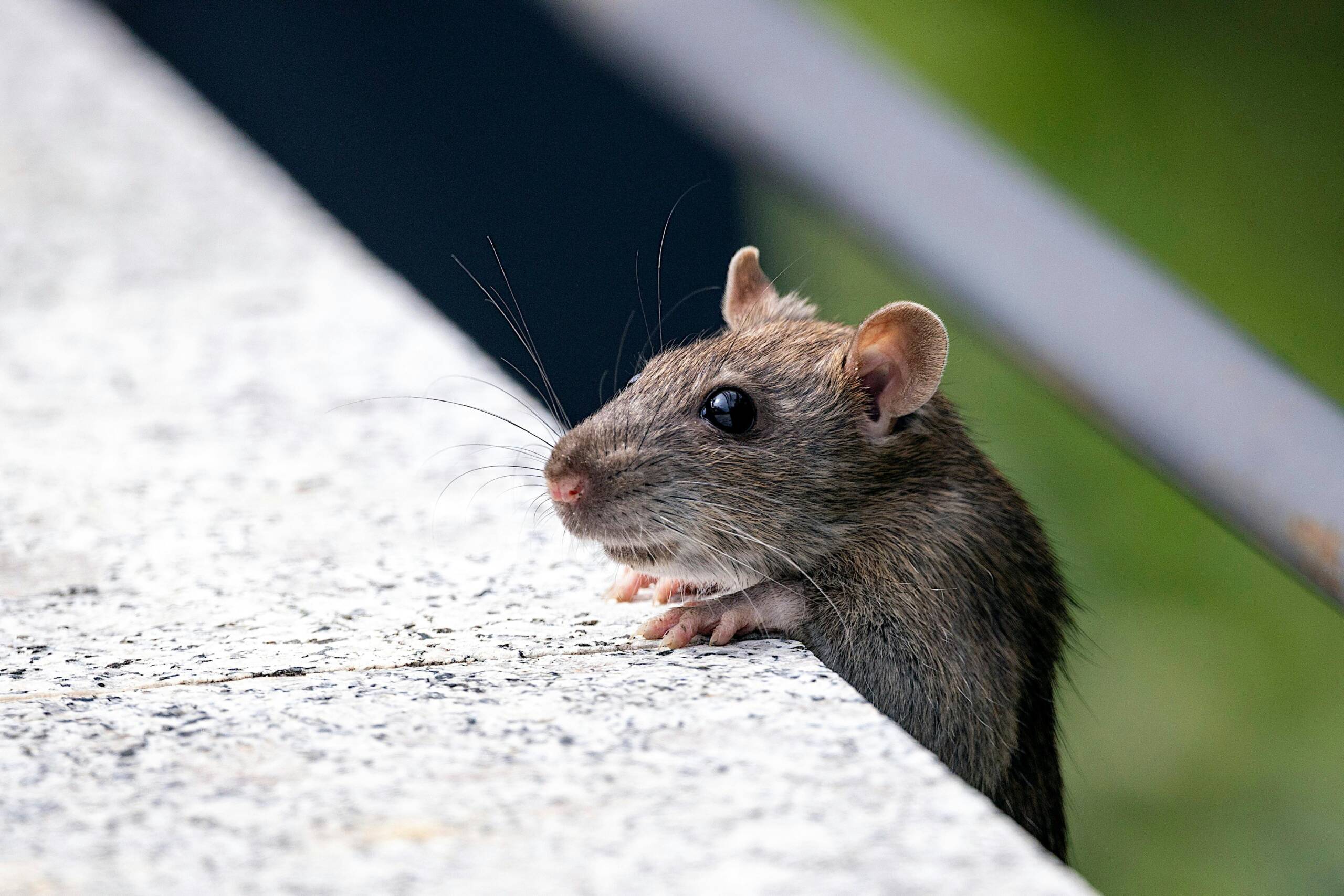
Rats cause a significant issue in the healthcare facilities as they have the capability of infecting and destroying essential supplies. They usually find their way in via tiny holes as well as conceal themselves in storage facilities, kitchens or dumpsters. Frequent checks, proper waste management, and sealing of entry points are few important measures to consider while performing rodent control in London.
Ants
These tiny pests easily gather in large colonies within the healthcare facilities, mostly in search of food or water. They can access patient rooms, kitchens and medication areas. Meanwhile, they also influence the hygiene and cause discomfort. Surface cleaning, food storage, and treatment of access points can minimize the ant activity and avoid recurrence of the problem. These have been the most common pests found in healthcare facilities.
Bed Bugs
Bed bugs enter healthcare facilities carried by clients on clothes, bags or furniture. They conceal themselves in beds, chairs, and small cracks. Hence, they do not pose an infectious risk; however, they are a source of stress and discomfort to patients and staff. Their elimination in sensitive areas is possible through the application of early identification, a cleaning regimen, and hiring bed bug exterminator in London ON.
Cockroaches
Cockroaches live in humid and hot environments and can contaminate surfaces and supplies. They are visible frequently in the kitchen, laundry and storage areas. Their excessive speed as well as concealment capacity endear them to control. Keep a check on these issues by good sanitation, waste management, as well as hiring services of cockroach control company.
Key Areas to Identify Pest Infestations
Kitchens and cafeterias are the most affected by pests due to moisture, warmth as well as easy accessibility of food. All of them are an ideal habitat for insects and rodents. Regular cleaning habits and proper food storage ensure these areas are adequate cleanliness. Laundry rooms as well as garbage disposal areas are also hazardous. This is because humidity and organic waste are attracting the pests very easily.
The patient rooms and waiting bays can act as entry points where visitors, staff, and personal belongings can carry with them such pests as ants or bed bugs. Electrical as well as utility rooms are warm areas that support roach and rodent nesting. Cargo rooms as well as stock rooms can easily turn into pest harbourage spots and particularly those rooms containing cardboard, linens, or medications.
Strategies to Avoid Common Pests Found in Healthcare Facilities
After knowing about the common pests found in healthcare facilities, let’s talk about how to prevent them for future.
1. Seal the Entry Points Properly
Minor cracks surrounding the doors, windows, and utility lines can allow pests to stroll into a healthcare facility. Frequent inspections and minor maintenance processes assist in sealing these gaps. Insects and rodents cannot get inside through weather-stripping, door sweeps, and appropriate sealing. This minimizes the risks to patients, staff as well as equipment in busy care environments.
2. Maintain a Proper Cleaning Routine
Regular cleaning reduces the risk of pests’ activity. Removal of garbage daily, wiping of spills, and cleaning of food areas are a few necessary practices. The pests starts building a habitat when the surfaces remain dry and orderly. Meanwhile, an obvious cleaning schedule also makes the staff responsible for shared working areas.
3. Keep Food Supplies in the Store Properly
Exposed food and open storage are attacked by pests very quickly. Shelf protection can be achieved by using closed containers, labelling things and elevating shelves on floors. Hence, periodic stock audits are used to remove spoiled products, which can be the source of insects. Effective storage habits promote safe patient diets without contamination and waste.
4. Manage Waste the Right Way
Solid trash and trash material welcome vermin. Medical centers ought to dispose of waste frequently, wash containers and tight lids. Outside dumpsters should remain in closed and outdoor positions. Hence, effective waste management will reduce odors and eliminate pest food sources because a clean and safer environment will benefit all who are indoors.
5. Improve Moisture Control
Standing water, leaking pipes, and damp corners are the conditions of pests that provide them with the conditions they need to survive. Moisture checks must be done daily in the facility. Leaks are fixed fast, and this enhances airflow, which lowers humidity. Due to the reduction of moisture, the pests will not be able to live, nest or even propagate in the building.
FAQs: Common Questions People Often Ask
1. How can pests affect hospitals and clinics?
The pests infect others, contaminate sterile facilities, break equipment, and create risks of infection, which can be deadly to high-risk patients and employees.
2. How frequently should hospitals perform inspections?
Professional checks should be carried out monthly, after which healthcare facilities should conduct further checks. This is important after renovations, high patient turnover, and a change of environment.
3. Which parts of a hospital are the most appealing to pests?
Patient rooms, waste rooms, utility areas, storage rooms and kitchens harbour pests due to the presence of moisture, warm environment, food and clutter.
4. Are there any pest issues that may impact healthcare compliance?
Yes. The presence of infestations may cause regulatory breaches, inspection deficits, fines, and reputational damages that endanger patient safety and a lack of trust in operations.
Protect Your Healthcare Facility with MVO Pest Control Services
Maintaining a pest-free healthcare environment is essential for patient safety, regulatory compliance, and facility reputation. MVO Pest Control delivers healthcare-specific Integrated Pest Management solutions designed to eliminate threats before they escalate. Our licensed experts use safe, effective, and compliant treatments tailored to hospitals, clinics, nursing homes, and long-term care facilities. Let us help you safeguard your patients, protect your staff, and maintain the highest standards of hygiene.